Do USDA Hardiness Zones Tell You When to Plant Garden Vegetables?
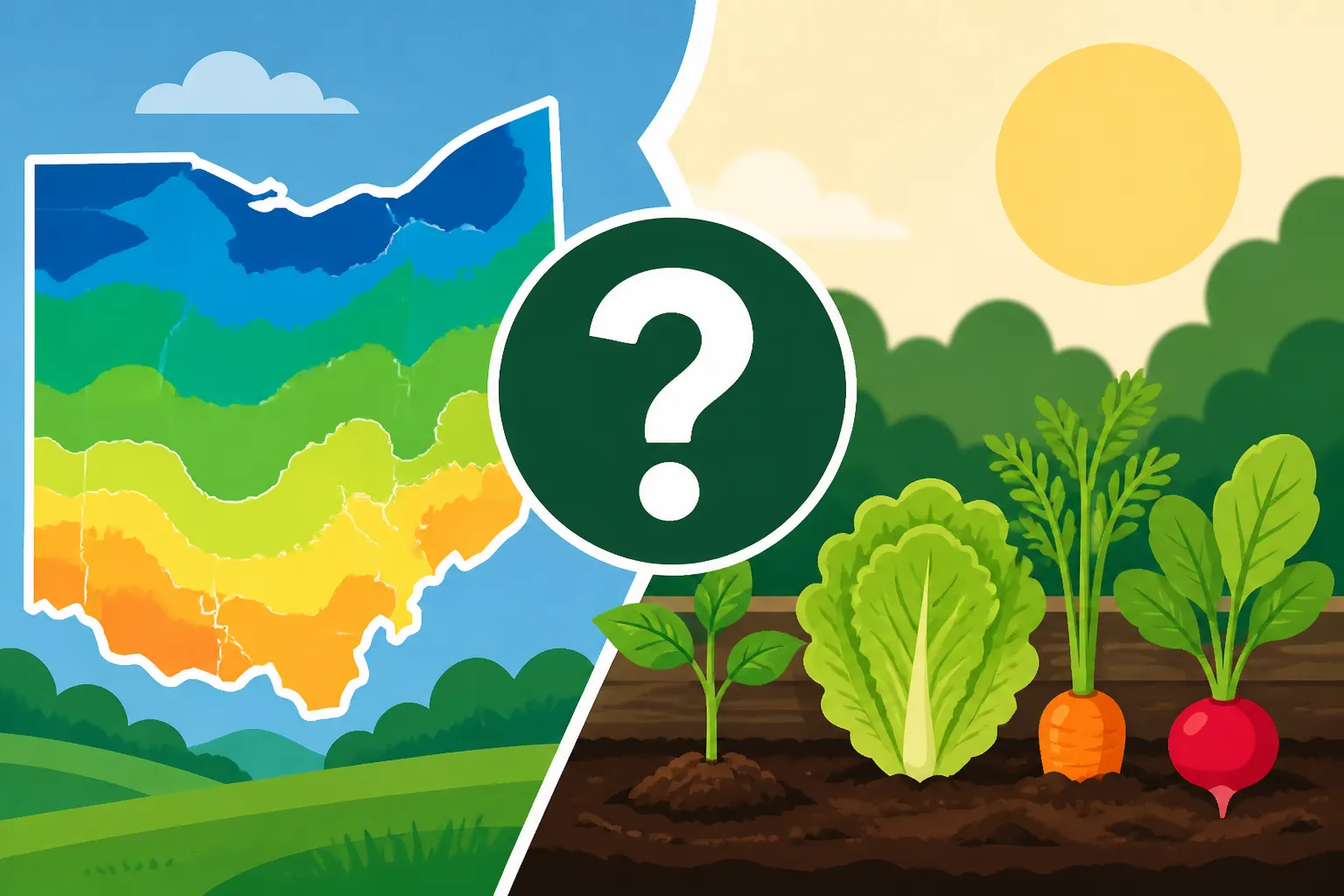
A hardiness zone can help you decide whether a perennial is likely to survive winter, but it does not tell you when Ohio vegetable beds are ready. If you are trying to choose between sowing now, waiting for warmer soil, or protecting tender plants from a cold snap, use the zone as background—not as a planting calendar. The better decision comes from combining local frost risk, crop needs, soil conditions, and the weather you actually have.
What a hardiness zone can—and cannot—tell you
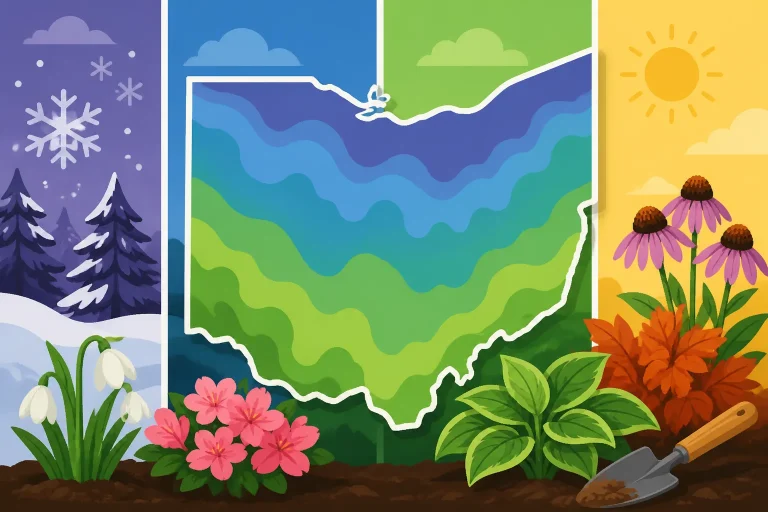
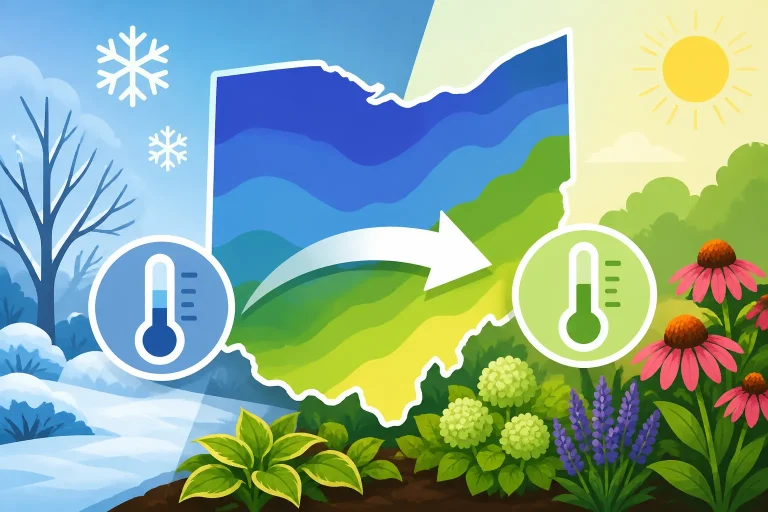
The USDA Plant Hardiness Zone Map is useful, but its purpose is narrower than many gardeners assume. It groups locations by patterns of winter cold to help compare how well perennial plants may endure those conditions. That makes it relevant when choosing a landscape shrub or deciding whether a perennial is suited to a general area. It is not a schedule for sowing vegetable seeds or moving seedlings outdoors.
The Ohio State University describes the maps as a general guideline for deciding which plants grow best in the region. That is helpful context, but a general guideline is not a promise that a plant will thrive in a particular yard or a signal that a vegetable bed is ready on a particular day.
A hardiness zone does not tell you whether:
- The last spring frost has passed in your garden.
- The soil is warm or dry enough for a particular seed.
- A warm-season transplant will tolerate a chilly night.
- A late-maturing crop has enough favorable weather left to finish.
- A wet patch of ground is workable after rain.
- A sheltered bed is warmer than an exposed one nearby.
Those questions matter because vegetable planting is tied to several changing conditions, not just the broad winter climate of a region. The Ohio State University says plant decisions should also take light, soil moisture, temperature, duration of exposure to cold temperatures, and relative humidity into consideration. For a vegetable gardener, that means the zone can help frame a decision, but it cannot make the decision by itself.
A zone label is also not a forecast. It does not tell you what the coming week will bring, and it cannot account for every cold pocket, wind-exposed corner, south-facing wall, or low area in a yard. A garden can experience conditions that differ from the larger area around it. That is why a zone-based guess can feel convincing in one bed and fail in another.
The practical takeaway is simple: use the map to think about broad suitability, then use seasonal information and on-the-ground conditions to choose planting timing. If you are still deciding what the zone map is designed to answer, Do USDA Hardiness Zones Tell You When to Plant Garden Vegetables? is this article’s topic, so instead compare the map with Hardiness Zones vs Frost Dates: What Controls Ohio Planting Timing for the distinction between winter survival and spring planting risk.
Why frost dates and zones answer different questions
A common source of confusion is treating a hardiness zone as though it were a frost-date chart. These tools are concerned with different aspects of growing conditions. A hardiness zone offers broad context about winter cold and plant survival. A frost probability helps describe the likelihood of a spring or autumn freeze around a location or period. Neither one, by itself, tells you that every crop can go into the ground safely.
For vegetables, frost risk is often more directly relevant to the timing of outdoor planting. Some crops tolerate chilly conditions and may be sown while spring weather is still unsettled. Others are vulnerable to frost or cold soil and need more protection from spring conditions. The same date can be suitable for one group and risky for another.
A frost probability is not a guaranteed cutoff
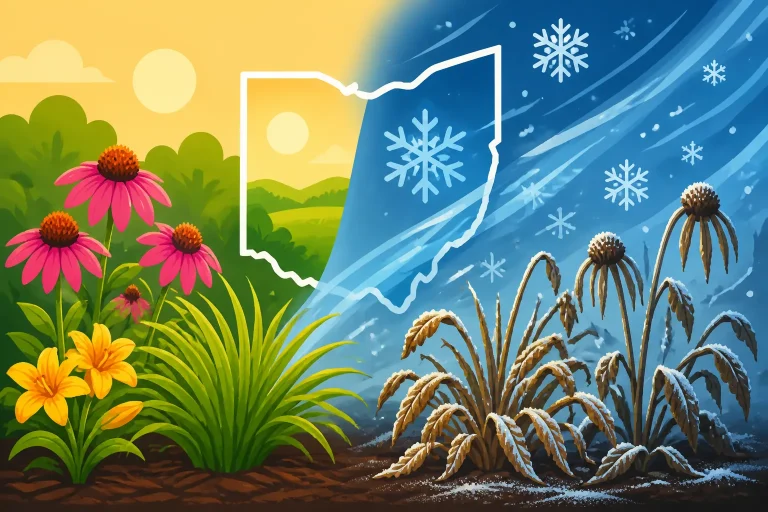
A frost date is a statistical reference, not a fixed boundary between winter and safe planting weather. The chance of frost changes from year to year, and a forecast can differ from a historical probability. Even when the risk has eased, local conditions may still be too cold for a heat-loving crop.
That distinction is central to planning. A calendar date can help you prepare, but it should not replace a check of the near-term forecast and the conditions in your yard. If a tender transplant is exposed to a sudden cold spell, the plant can be stressed even if the garden is otherwise entering its usual planting window. For more on that specific risk, see Managing Late Spring Frost Threats After Warm Spells and Why Ohio Warm-Season Starts Risk Early Spring Chills.
Frost-sensitive crops are not all alike
A cool-season crop and a tender warm-season crop respond differently to the same weather. A leafy green or root crop may cope with cool conditions that would slow or damage a tomato, pepper, cucumber, or squash. That does not mean every cool-season crop should be planted without regard to weather. Seeds still need appropriate soil conditions to germinate, and young plants can be affected by prolonged cold, saturated ground, or abrupt temperature swings.
Instead of asking, “Is it safe to plant vegetables?” ask, “Is it a suitable time for this crop, in this bed, under this forecast?” That question leads to a more useful answer. Cool-Season Versus Tender Crops: Ohio Planting Timing can help sort plants into broad timing groups, while Spring Frost Probabilities and Garden Planting Across Ohio explains why a regional frost reference should be treated as a probability rather than a promise.
A warm spell does not erase the seasonal risk
A stretch of mild afternoons can make a garden feel ready before nights and soil have warmed enough. Plants respond to the conditions around them, not just to one sunny day. A bed may warm quickly in direct sun and cool again when clouds, wind, or a cold front arrive. A warm spell can also encourage seedlings to grow actively, leaving them more exposed if temperatures fall afterward.
Use a warm spell as a chance to prepare beds, check seed packets, and harden off indoor-grown plants gradually—not as proof that every tender crop should be planted immediately. For a more focused discussion of that decision, see When Is It Safe to Move Warm-Season Seedlings Outdoors in Ohio?.
How to choose a planting window for each vegetable
A reliable planting plan starts with the crop, not the zone number. Before you sow or transplant, identify what the plant needs at each stage: germination, early growth, flowering, fruiting, and harvest. Then match those needs to the current season and your garden’s conditions.
Start with the crop’s temperature group
A useful first pass is to divide vegetables into two broad groups:
- Cool-season crops are generally better suited to cooler conditions. Many can be planted earlier in spring than tender vegetables, and some can be sown again as summer heat eases.
- Warm-season crops need warmer conditions to grow reliably. They are usually less tolerant of cold soil and chilly nights, so planting them too early can delay growth or damage young plants.
These categories are helpful, but they are not precise calendars. Crops within the same group can still differ in how quickly they germinate, how much cold they tolerate, and how long they need to produce. A pea and a leafy green may both be cool-season crops, for example, yet they do not have identical growing patterns. Likewise, a tomato and a cucumber are both warm-season plants, but their ideal planting conditions and growth habits are not interchangeable.
For a broader timing overview, use Starting Cool and Warm Season Crops Across Ohio Gardens. If you are planning a full bed rather than a single crop, When Can You Plant Vegetables in Ohio? Timing by Season can help organize the season around crop groups.
Read the seed packet or transplant information
A seed packet is more useful than a hardiness zone for deciding how to sow a particular vegetable. Check whether the crop is meant for direct sowing or starting indoors, whether it prefers cool or warm soil, and how long it generally takes to reach harvest. Treat those details as planning guidance rather than guarantees: weather and growing conditions can change how quickly plants develop.
For nursery transplants, consider whether the plants have been hardened off and whether their roots and stems look established. A vigorous-looking plant is not automatically ready for outdoor exposure. A transplant grown in protected conditions may need a gradual adjustment to sun, wind, and outdoor temperatures. See Hardening Off Indoor Seedlings Before Planting Out in Ohio Beds for how to make that transition more carefully.
Match maturity time to the season ahead
A crop may survive the first part of the season and still struggle to produce a harvest if the remaining growing window is too short. Use the seed packet’s maturity information to estimate whether the crop has time to develop before the season turns cold. Keep in mind that a maturity estimate is not a promise. Stress, slow early growth, shade, dry soil, and other conditions can delay harvest.
If you are starting late, consider choosing crops with a shorter path to harvest or planting a crop suited to the remaining season. That is often more practical than relying on a zone label to imply that any vegetable can be planted whenever the map suggests a favorable region. Selecting Vegetable Varieties to Fit Your Local Growing Season covers how to account for the length of the season, and Planning Fall Harvests by Maturity Dates in Ohio focuses on matching late-season sowing to a likely harvest window.
Decide whether to sow seed or transplant
Direct sowing can suit crops that establish well in the garden and do not benefit enough from indoor starting to justify the extra work. Transplants can give other crops a head start, but they require protection during the move outdoors. Starting indoors is not automatically a way to plant earlier: a large seedling exposed to unsuitable weather may be more vulnerable than a smaller plant introduced at a better time.
Choose the method that fits the crop and your ability to manage it. If you start seeds indoors, plan for adequate light and avoid letting seedlings become weak or crowded while waiting for outdoor conditions. If you buy transplants, check their condition and give them time to adjust before expecting strong growth. Direct-Sown Seeds vs Nursery Transplants in Ohio Spring Gardens offers a closer comparison, while The Complete Guide to Starting Ohio Seeds Indoors covers the indoor-starting side of the decision.
Check the garden itself before planting
A regional map cannot describe every bed in a yard. Even within one property, sunlight, slope, drainage, wind exposure, and nearby structures can produce different growing conditions. Treat the garden as a collection of small sites rather than assuming that every planting area behaves like the broader region.
Observe light and exposure
A bed that receives open sun for much of the day will behave differently from a shaded bed near trees or a building. Sunlight affects plant growth and can influence how quickly soil warms and dries. A sheltered spot beside a structure may be less exposed to wind than an open bed, but its conditions can also vary through the day and season.
Before committing to a crop, observe the bed rather than relying on a broad description such as “sunny yard.” Note when shade falls, whether the area is exposed to strong wind, and whether it gets direct sun when the plants are actively growing. That information can help explain why a crop succeeds in one part of the garden and struggles in another. For more on site suitability, see How Many Hours of Sun Do Ohio Vegetable Gardens Need?.
Check soil moisture and drainage
Soil that is saturated after rain is not ready simply because the air feels warm. Working wet soil can leave it compacted or lumpy, and seeds may struggle in conditions that remain waterlogged. At the other extreme, dry soil can make it difficult for seeds and young roots to establish. Check the bed before sowing, especially if the area tends to stay wet or dries quickly.
A practical test is to handle a small amount of soil from the planting depth. If it is sticky and clumps heavily, wait for conditions to improve rather than digging through it. If it falls apart into dry dust, consider whether the bed needs moisture before planting. The right approach depends on the soil and crop, so avoid using the zone map as a substitute for examining the ground. Ohio Clay Soil Watering: Checking Soil After Heavy Rain and Fixing Drainage Issues When Garden Vegetables Wilt can help with common moisture problems.
Think about soil warmth, not just air warmth
The soil can remain cool after a run of mild afternoons, particularly in a shaded, wet, or heavy bed. Conversely, a sunny raised bed may warm sooner than a low, damp patch. Seeds depend on suitable conditions around them to germinate, and newly transplanted roots also need a workable environment. This is why “the day feels warm” is not enough to confirm that every warm-season crop is ready.
If a crop requires warm soil, wait until the bed itself has warmed rather than planting based on the zone or a single afternoon. A simple soil thermometer can offer more useful information than guessing, though the crop’s recommendations still matter. For a closer look at one common decision, read When Is the Soil Warm Enough to Plant Beans in Ohio?.
Account for small differences within the yard
A low spot may collect cold air or remain wet longer. A slope may drain differently from level ground. A wall, fence, or hedge can influence sun and wind exposure, but it can also create uneven conditions. Those differences do not change the zone map; they change the conditions a plant experiences in a particular place.
Keep brief notes about where frost seems to linger, which beds warm first, and where crops have grown well in previous seasons. Over time, those observations can be more useful for placing a particular crop than a broad regional label. If a tender crop fails in one corner but thrives elsewhere, consider the site before concluding that the crop is unsuitable for your part of Ohio.
Use a flexible Ohio planting calendar
A useful planting calendar is not a single set of dates. It is a sequence of decisions that changes with the weather, the crop, and the garden. In Ohio, local conditions can vary across the state and within a single community, so a calendar should help you plan rather than force every gardener to plant at the same time.
Plan in stages
Use a season-based approach:
- Before outdoor planting, review the crops you want to grow, check their instructions, and decide which ones will be sown directly and which will be started indoors.
- As spring approaches, prepare beds when the soil is workable, and begin with crops suited to cooler conditions.
- When tender crops are being considered, check the forecast, soil temperature, and the crop’s sensitivity to cold. Be ready to delay planting or protect young plants if conditions remain unsettled.
- During the growing season, sow or transplant in successive batches where that suits the crop and your household’s harvest needs.
- As autumn approaches, work backward from the likely first freeze and the crop’s time to maturity before starting another planting.
This approach makes room for a late cold spell, a wet spring, or a warmer-than-usual stretch. It also helps avoid the all-at-once rush that can leave every bed planted before the soil or forecast is suitable.
Use local guidance without treating it as a guarantee
A statewide calendar can provide a helpful framework, but local advice may better reflect the conditions in a particular region. Look for guidance that distinguishes crop types and explains the conditions behind its recommendations. A list of dates without context can be easy to misapply, especially if it does not say whether the dates are based on direct sowing, transplanting, frost probability, or soil warmth.
Use several kinds of information together: a local planting calendar, crop-specific instructions, the forecast, and your own observations. If local recommendations differ, check whether they are addressing different crops or planting methods before deciding which one applies to your garden. Finding Local County Vegetable Planting Advice in Ohio can help you look for guidance suited to your location.
Keep a simple garden record
A planting record does not need to be elaborate. Note the crop, bed, sowing or transplanting period, whether the soil was wet or workable, and what happened afterward. Record delayed germination, frost damage, slow growth, and harvest timing. These notes help distinguish a problem caused by weather from one caused by shade, soil, pests, or the crop itself.
After a few seasons, your notes may show patterns: a certain bed stays wet after spring rain, a sheltered area warms sooner, or a crop consistently performs better when planted later. Use those patterns alongside general guidance, not in place of it. A garden record is especially useful when local conditions vary more than a map can show.
Make changes without starting over
If conditions are marginal, consider a smaller trial planting rather than committing the whole bed. You can sow part of a row, keep extra transplants protected, or choose a crop that is better suited to the current conditions. This reduces the cost of a bad timing decision and gives you a local comparison.
Flexibility is more valuable than trying to hit a perfect date. If the soil is too wet, wait. If nights are still cold for a tender crop, hold it back or protect it appropriately. If a planting window has passed for a long-season crop, choose something better matched to the remaining season. Maximizing Ohio Growing Seasons With Succession Vegetable Planting explains how staggered plantings can spread harvests and help make better use of changing conditions.
Common mistakes when using zones to plan vegetable gardens
A zone map can be useful and still lead to poor choices when it is treated as a calendar. These are the most common ways that happens.
Planting every crop as soon as spring feels warm
Different crops have different cold tolerances. Mild afternoons do not mean that nights are safe for tender plants or that the soil has warmed enough for germination. Start with the crop’s needs and the forecast, not the first warm stretch of the season.
Treating a zone as a local forecast
A hardiness zone describes broad regional conditions, not tomorrow’s weather or the lowest temperature in a specific garden bed. It cannot predict a late frost, strong wind, or prolonged cold spell. Check current forecasts when making a short-term planting decision.
Ignoring soil condition
A bed can be too wet, too cold, or too dry even when the timing seems right on a calendar. Planting into poor conditions can slow establishment and make a crop more vulnerable to later stress. Check the soil directly before working or sowing it.
Assuming a seed packet’s maturity estimate is a guarantee
Maturity information helps you plan, but plants do not grow at a constant pace in every garden. Cool spells, heat, lack of light, and uneven moisture can affect development. Allow for variation, and be cautious about starting a crop when the remaining season looks tight.
Confusing perennial survival with vegetable production
A plant’s ability to survive winter does not say whether a vegetable will germinate well, produce fruit, or yield a useful harvest in the time available. A perennial may persist for years once established, while an annual vegetable has to complete its growth within the current season. The map’s winter-suitability role does not answer the vegetable’s full growing-season needs.
Using one date for every part of Ohio
Conditions vary from one part of the state to another, and a garden’s local setting can add further differences. A recommendation that works for one area may not fit another, even when both gardeners are in Ohio. Use local guidance and the forecast that applies to your location rather than copying a date without context.
Choosing a crop only because it fits the zone
A crop that is broadly suited to the region may still fail in a shaded bed, heavy wet soil, or a short growing window. Match the crop to the site, the season, and the care you can provide. If it needs more warmth, light, drainage, or time than your garden can offer, the zone label will not compensate.
Frequently Asked Questions
Should I use a hardiness zone to decide when to plant tomatoes?
Use it as broad climate context, not as a tomato planting date. Consider the forecast, soil warmth, and the plant’s sensitivity to cold before moving a tomato outdoors.
Does a favorable zone mean every vegetable will grow well in my garden?
No. A crop can be suitable for the wider region and still struggle in a particular bed because of shade, moisture, temperature, or other site conditions.
Which is more useful for vegetable planting: a zone or a frost date?
They answer different questions. A zone helps describe broad winter suitability; frost information helps you think about seasonal freeze risk. For planting, combine frost probability with crop needs, soil conditions, and the forecast.
What should I check before planting warm-season vegetables?
Check whether the soil has warmed, whether the nights are suitable for the crop, whether the soil is workable, and whether the forecast suggests a cold spell. Follow the crop’s seed or transplant instructions and delay planting if conditions are not ready.
Sources
- The Ohio State University — 2023 USDA Plant Hardiness Zones | OSU Extension – Lorain County Agriculture and Natural Resources (checked November 14, 2026)
Disclaimer
This article is for general informational purposes only and does not constitute professional advice. Laws, prices and regulations vary by location and change over time. Consult a qualified professional for guidance on your specific situation. Ohio Gardening Guide is not a government agency and is not affiliated with any university extension, state department of agriculture or other government agency.