Understanding Recent USDA Hardiness Zone Revisions
Understanding recent USDA hardiness zone revisions helps Ohio gardeners choose plants wisely while using frost dates and local conditions for timing.
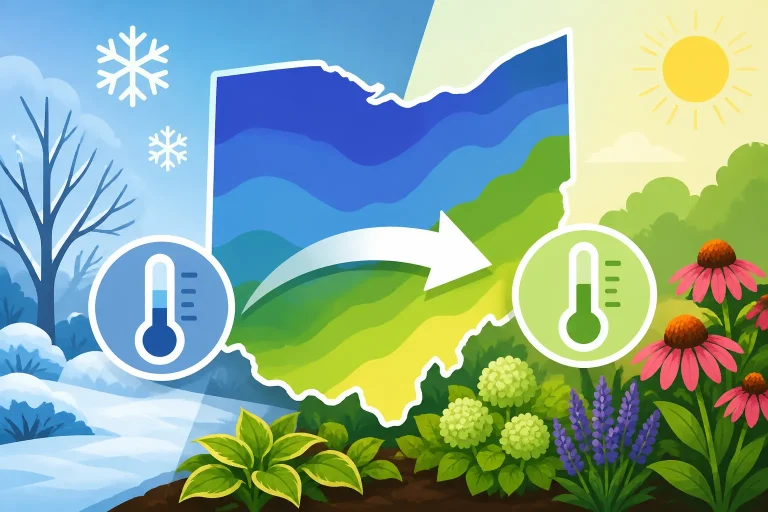
Understanding recent USDA hardiness zone revisions helps Ohio gardeners choose plants wisely while using frost dates and local conditions for timing.
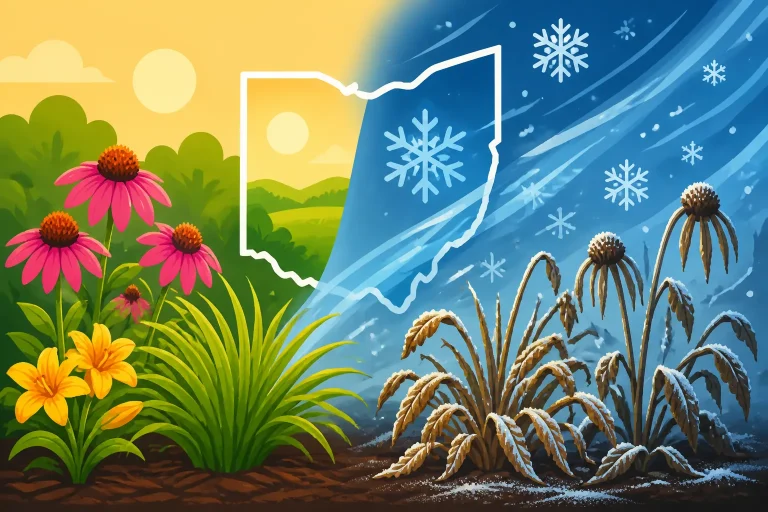
Ohio perennials in warmer hardiness zones can be injured by sudden cold; understand acclimation, site conditions, and ways to reduce damage.
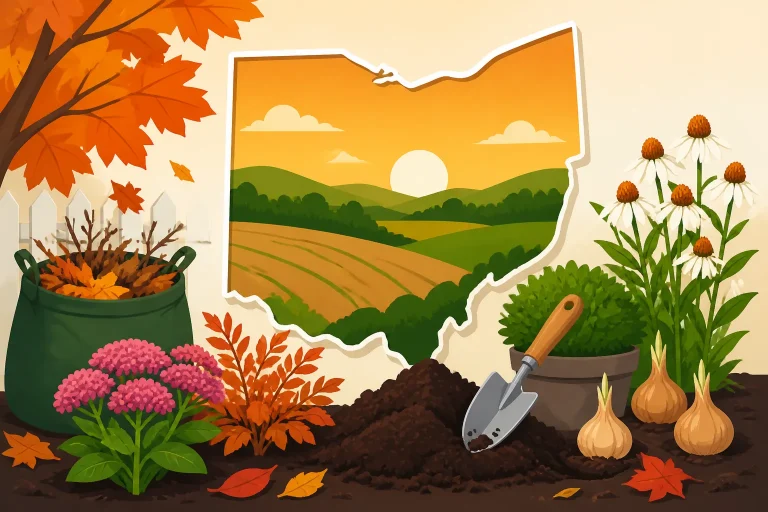
Ohio October garden chores focus on harvesting, protecting soil, planting garlic and bulbs, and cleaning beds without removing useful habitat.
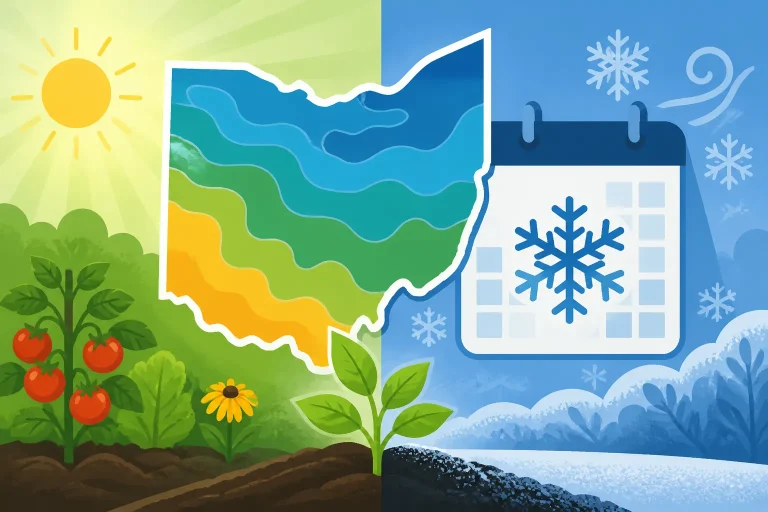
Ohio hardiness zones help with winter plant choice, while frost dates guide seasonal risk; use both alongside soil, weather, and site conditions.
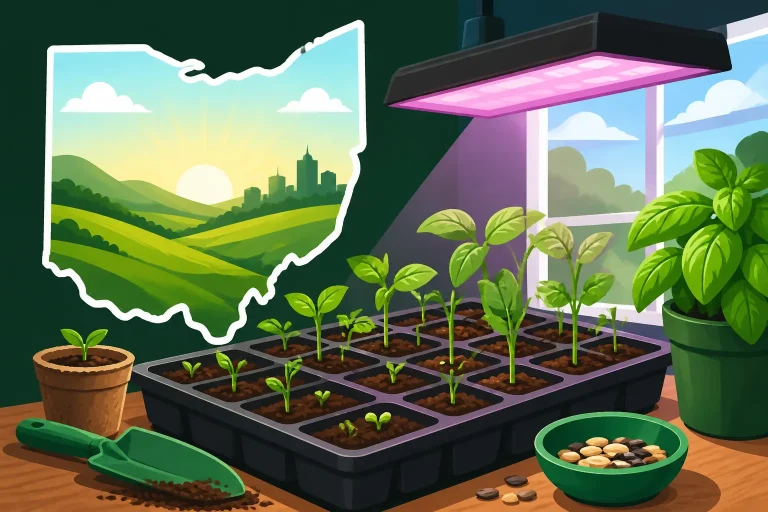
The Complete Guide to Starting Ohio Seeds Indoors explains how to time, grow, and harden seedlings for sturdier transplants and fewer spring setbacks.
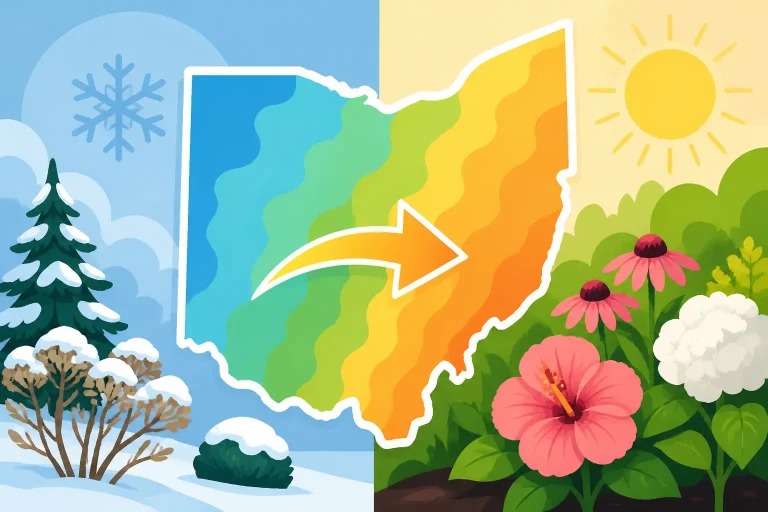
Ohio’s hardiness zones did not shift uniformly; use the map to assess winter plant survival, not to set planting dates or predict spring frost.
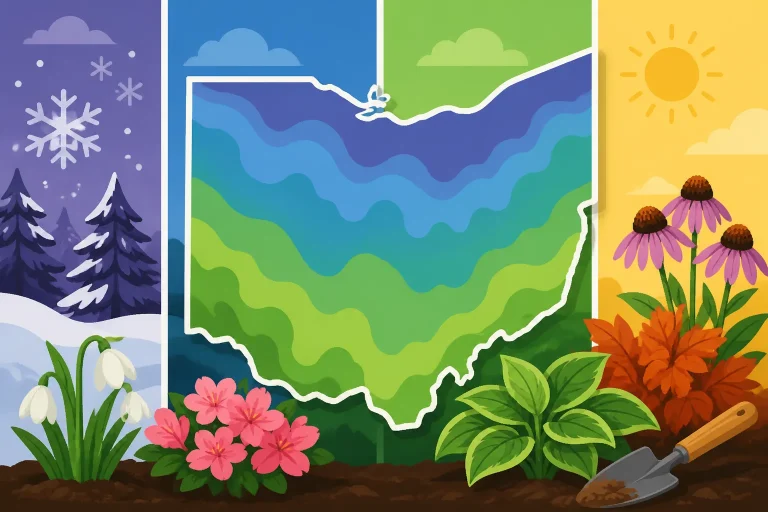
Ohio plant zones describe broad winter cold patterns, not planting dates; use them with frost risk and garden conditions to choose suitable plants.
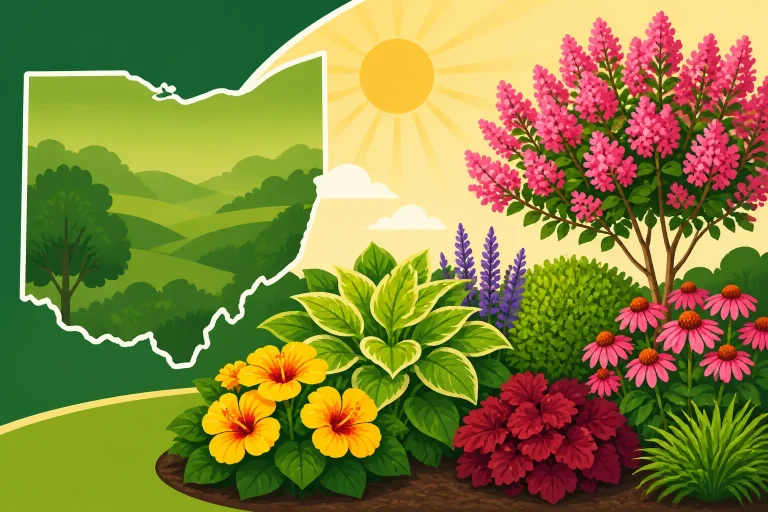
Choosing landscape plants for warmer Ohio hardiness zones means treating the map as a starting point and checking site conditions.

USDA hardiness zones offer broad climate context, not Ohio vegetable planting dates; use frost risk, crop needs, soil, and local conditions to time planting.